What Are Dehydrated Vegetables and Why the Food Industry Depends on Them
The food industry has changed a lot over the years. People want food that’s easy to make lasts a long time and is good for them. So companies are always looking for things to put in their food that meet these needs. They want these things to be quality and work well. One thing that has become very popular is dehydrated vegetables.
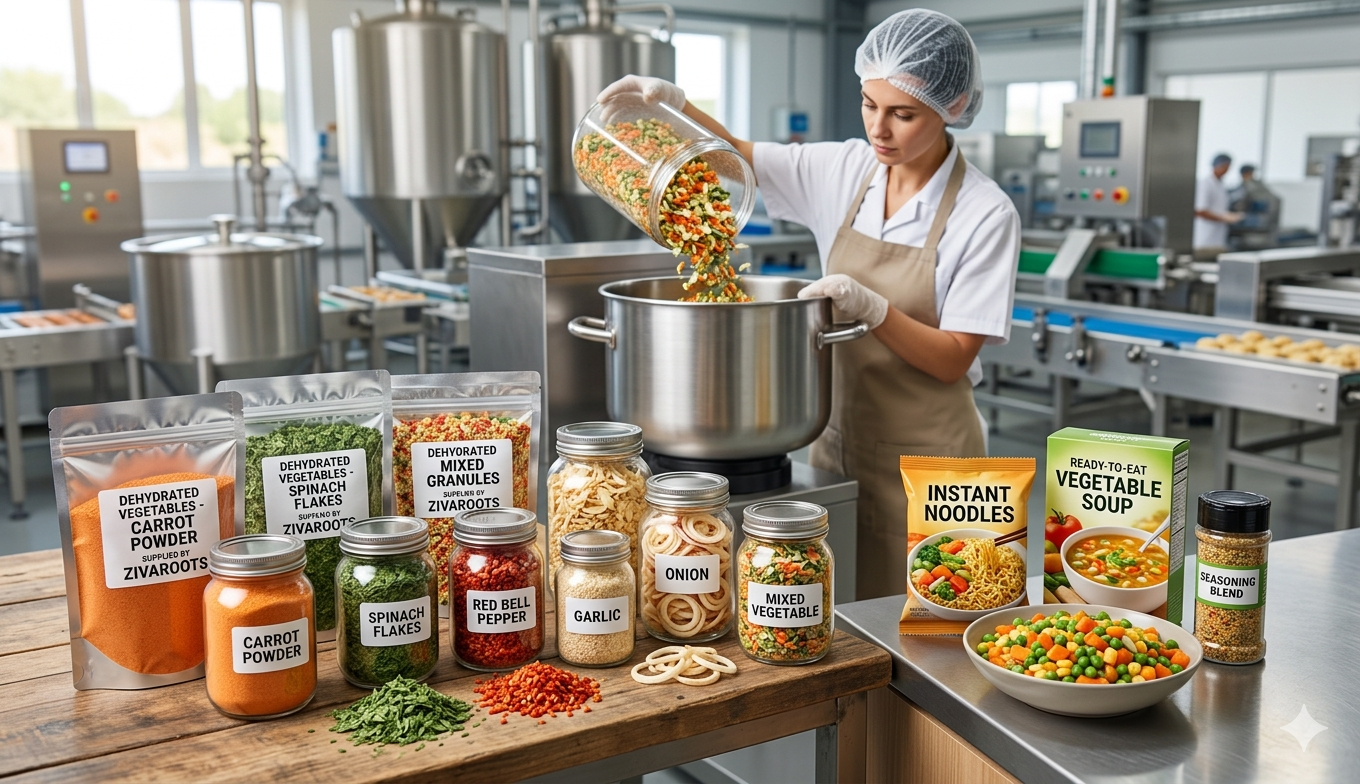
Dehydrated vegetables are really important in making food. They are used in lots of things like noodles and ready to eat meals. They are also used in soups and sauces. To make snacks taste good. Companies like Zivaroots help the food industry by providing quality dehydrated vegetables and fruit powders.
What Are Dehydrated Vegetables?
Dehydrated vegetables are vegetables that have had most of the water taken out of them. This is done by drying them in a way. Fresh vegetables have a lot of water in them which makes them go bad quickly. When the water is taken out the vegetables much longer without going bad.
What Are Dehydrated Vegetables?
When vegetables are dehydrated they keep a lot of what makes them good. This includes:
After they are dehydrated vegetables can be found in forms. These include:
All these different forms mean that companies that make food can use dehydrated vegetables in different products. Dehydrated vegetables are very useful, in the food industry because of this.
Dehydrated vegetables are used to make food products. The food industry depends on dehydrated vegetables because they are easy to store and use. Dehydrated vegetables are a part of the food industry.
How Dehydrated Vegetables Are Made
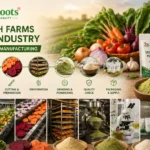
Making dehydrated vegetables is a process that has steps to keep the quality good and remove the water from them.
1. Picking The Right Vegetables
It starts with picking vegetables that are good quality. If you use raw materials the final dehydrated vegetables will taste good and have good nutrition.
2. Cleaning The Vegetables
The vegetables are. Cleaned to get rid of dirt and bad things. After they are clean they are. Cut into pieces depending on what they need to look like in the end.
3. Drying The Vegetables
The cleaned vegetables are put into machines that use heat and air to remove the water. This makes the water content very low while keeping the vegetables natural.
4. Getting Them Ready And Packing
After they are dry the vegetables can be made into powder, flakes or small pieces. Then they are packed carefully to keep them fresh and clean.
This way fresh vegetables become ingredients that last a time and are good for making food.
Benefits of Dehydrated Vegetables
vegetables are very good, for the food industry because they have many advantages.
Longer Time To Use
One advantage of dehydrated vegetables is that they can be stored for a long time. Fresh vegetables go bad quickly because they have a lot of water. Dehydrated vegetables do not go bad easily because they have water so they can be stored for months without getting spoiled.
Dehydrated vegetables are really light. Take up less space than fresh produce. This is because most of the water is taken out making them easier to store and transport.
This makes them perfect for food production and worldwide supply chains.
Consistent Quality
Fresh veggies can taste, look and feel different depending on the season and how they were picked. But dehydrated veggies are processed to be the same every time so you know what you’re getting.
For food makers it’s super important that their products taste the same every time.
Reduced Food Waste
Food waste is a problem in farming and food processing. Fresh veggies often go bad before they can be used or sold.
Dehydrating veggies helps keep them good for longer which means waste and better use of resources.
Convenient for Food Processing
Dehydrated veggies are easy to use in making food. They can be quickly added to recipes. Then rehydrate when cooked, getting back much of their original taste and texture.
This makes them great for making lots of food products.
Why the Food Industry Depends on Vegetables
The food industry really relies on dehydrated veggies because they make food production efficient, reliable and flexible.
Ready-to-Eat Foods
One of the users of dehydrated veggies is the ready-to-eat food industry. Things like noodles, packaged soups, pasta meals and meal kits often have dehydrated veggies that get good again when cooked.
These ingredients help makers create meal options, for people.
Snack Industry
Vegetable powders and granules are used a lot in snack flavorings. Chips, extruded snacks and roasted snacks often use onion powder, garlic powder and tomato powder to make appealing flavors.
Soups and Sauces
Dehydrated vegetables are commonly used in soup mixes and sauces. They give flavor and thickness without artificial additives.
Seasoning Blends
Seasoning manufacturers use dehydrated vegetable powders to make spice mixes and flavoring blends for food products.
Health and Nutrition Products
Vegetable powders and fruit powders are used in supplements and plant-based health products. These powders give nutrients and have a long shelf life.
Role of Companies Like Zivaroots
Suppliers of dehydrated ingredients help the food industry. Companies like Zivaroots provide dehydrated vegetables and fruit powders for food manufacturing.
Their product range includes:
These ingredients help food manufacturers make high-quality products with taste and reliable supply.
The Future of Dehydrated Vegetables in the Food Industry
As global food demand grows, dehydrated vegetables will become more important. Some trends driving this growth are:
vegetables solve these challenges by offering convenient long-lasting and sustainable ingredients.
Dehydrated vegetables are vital in the food industry. Dehydration helps extend shelf life and preserves flavor and nutritional value.
These ingredients have advantages for food manufacturers, including easier storage, consistent quality, reduced food waste and efficient food production.


1 Comment
Benefits of Using Ingredients in Packaged Foods - Ziva Roots
[…] What Are Dehydrated Vegetables and Why the Food Industry Depends on Them […]